



Preface
1. Visa-Free Entry (No pre-applied visa required, enter China directly with passport)
France, Germany, Italy, Spain, the Netherlands, Switzerland, Austria, Belgium, Luxembourg, Portugal, Ireland, Finland, Sweden, Norway, Denmark, Iceland, Greece, Malta, Cyprus, Poland, Czech Republic, Hungary, Slovakia, Slovenia, Estonia, Latvia, Lithuania, Romania, Bulgaria, Croatia, Albania, Bosnia and Herzegovina;
United Kingdom, Canada, the United States, Australia, New Zealand;
Japan, South Korea;
Malaysia, Singapore, Thailand, Indonesia, the Philippines.
- Passport valid for over 6 months with at least 2 blank visa pages;
- Round-trip / connecting flight itinerary;
- Hotel booking confirmation for your entire stay and travel proof (subject to random customs inspection);
- Cash or bank cards with sufficient funds to cover your trip (equivalent to USD 500 or above recommended).
2. Transit Visa Exemption Policy (Global Applicable)
72-hour transit visa exemption: Available at some second-tier airport ports for a 3-day stay.
3. Countries Required to Apply for Tourist Visa in Advance
Standard single-entry tourist visa is valid for 90 days with a maximum stay of 30 days.
Required documents: Passport, ID photos, hotel booking slips, round-trip air tickets, proof of financial assets.
4. General Universal Entry Rules
- You only need to fill out a simple customs entry declaration via mini-program (scan QR code on site, multi-language supported);
- Raw meat, fresh fruits and large quantities of plant seeds are prohibited from being brought into China;
- There are declaration limits for alcohol, tobacco and cash. You must voluntarily declare any excess amount to customs.
2. Internet Access Solutions for Foreign Visitors in China
Option 1: Overseas eSIM (Most Recommended, Compatible with all foreign mobile phones)
Option 2: Physical International Roaming SIM Card
Option 3: Free Wi-Fi at Hotels & Public Venues
3. Complete Payment Guide for Foreign Tourists – No Need to Exchange Large Cash
Under mainland China’s network regulations, regular local mobile data plans do not natively support overseas platforms. Cross-border eSIM is your top choice to avoid losing contact with friends or accessing foreign maps during travel.
1. Direct Swipe of Overseas Bank Cards
2. Link Foreign Cards to WeChat / Alipay for Foreign Visitors
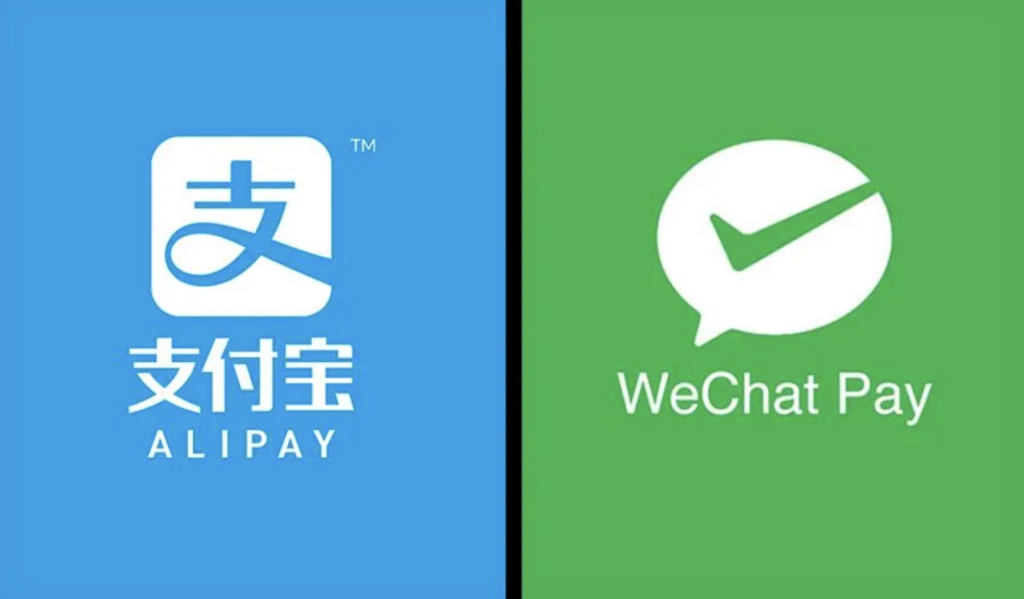
- Download the international version of WeChat or Alipay;
- Select “Register for Foreign Users” and upload your passport for real-name verification;
- Bind your Visa/Mastercard credit card; the system automatically converts foreign currency to CNY.
It works for street stalls, night markets, ride-hailing, scenic tickets and all daily small purchases.
3. Cash Exchange Advice
Exchange channels: Airport banks and official Bank of China branches in urban areas.
4. Classic 7-Day Itinerary for First-Time Visitors (Covers Core Landmarks, Suitable for All International Travelers)
Day1–Day2 Beijing (Ancient Imperial Capital)
Great Wall, Forbidden City, Tiananmen Square, Summer Palace, Nanluoguxiang Hutongs; Local food: Peking duck, soybean paste noodles, tripe hot pot.

Day3–Day4 Xi’an (Millennium Ancient Capital)
Day5–Day6 Chengdu (Leisure Panda City)

Day7 Shanghai (Modern Metropolis)
Short Alternative 5-Day Itinerary (For Southeast Asian & South Korean Short-Stay Visa-Free Travelers)
5. Regional Authentic Food Guide – Avoid Overpriced Tourist Spots
-
Northern Cuisine (Beijing, Xi’an)
Salty, rich and hearty flavors. Signature dishes: Peking duck, wheat noodles, beef & lamb snacks with large portion sizes, favored by European, American and Russian visitors.
-
Sichuan & Chongqing Cuisine (Chengdu, Chongqing)
Bold spicy & numbing taste. Tell waiters “less spicy / no chili” if you cannot handle heat. Hot pot and boiled fish are globally popular among all travelers.
-
Jiangnan Cuisine (Shanghai, Hangzhou, Suzhou)
Light, sweet and delicate, famous for fine pastries like soup dumplings and osmanthus cakes, widely loved by Japanese, South Korean and Southeast Asian tourists.
-
Cantonese Cuisine (Guangzhou, Shenzhen)
Morning tea dim sum and fresh seafood with mild flavors, easy to adapt to for visitors from all countries.
- Ordinary street-side restaurants offer far better value than overpriced scenic spot eateries;
- Most restaurants have picture menus to lower communication barriers;
- Tipping is not mandatory or customary in China.
6. Domestic Transport Guide: High-Speed Rail, Metro & Ride-Hailing
-
High-Speed Rail (Top Choice for Long-Distance Travel)
Foreign passports are accepted for online ticket booking and counter pickup at stations. The network covers nearly all major cities with fast speed, punctual schedules and comfortable cabins; English interface is available on booking platforms.
-
Urban Metro
Subway systems cover all tier-1 and tier-2 cities. You can pay via QR code or foreign transit cards at low fares.
-
Ride-Hailing Apps
International ride-hailing versions provide foreign language interfaces and overseas payment options with guaranteed safety. Avoid unlicensed street taxi drivers.
7. Travel Etiquette & Safety Tips (Ease Concerns of International Visitors)
- Public Security: Cities across China are safe day and night. Solo female and single international travelers face very few safety risks.
- Etiquette: Keep quiet in temples, do not touch cultural relics casually; avoid loud talking in public areas.
- Consumption: Price levels vary greatly. Tier-1 cities cost similarly to small European/American cities, while tier-2 & tier-3 cities offer outstanding value for money.
- Language: Staff at scenic spots, big hotels and high-speed rail stations speak basic English. Translation apps work well for smaller cities.





Please log in to view comments